
About our products
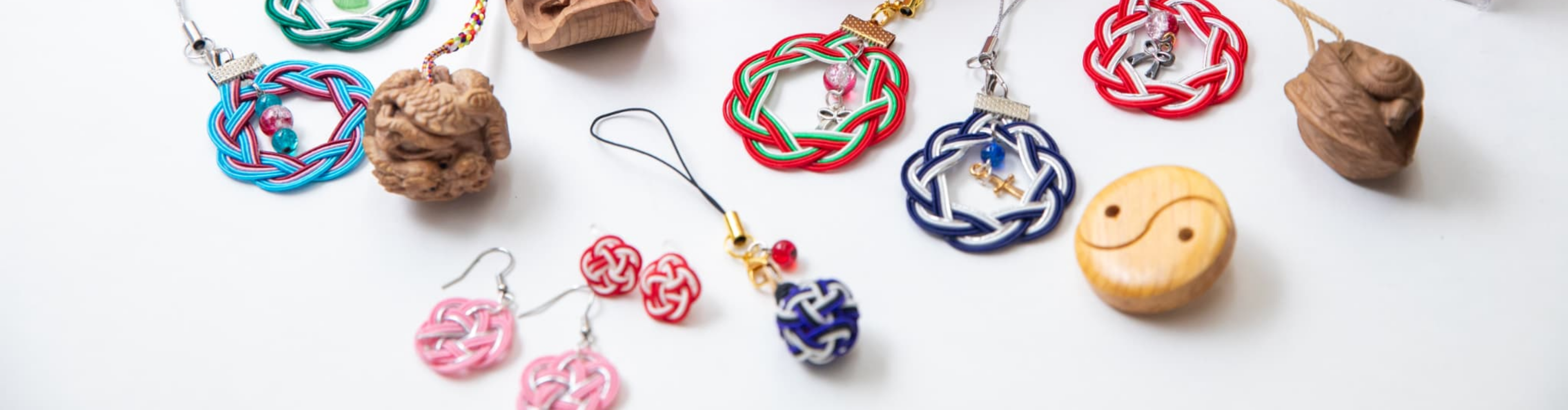
Craftsmanship born from daily life
and passed down through the generations.
Crafts are everyday items created by applying human hands and skill to materials such as wood, fabric, and paper.
They come in a wide variety of forms, including tableware, clothing, furniture, and decorative items.
In Japan, unique materials and techniques have been developed in harmony with the natural environment and culture of each region,
and have been refined over many years.
The combination of practicality and beauty is another unique charm of crafts.
The History of Crafts
Japanese crafts originated from the creation of everyday necessities and have evolved alongside the natural environments and cultures of various regions.
While their forms have changed over time, the techniques cultivated through the ages continue to be passed down to this day.
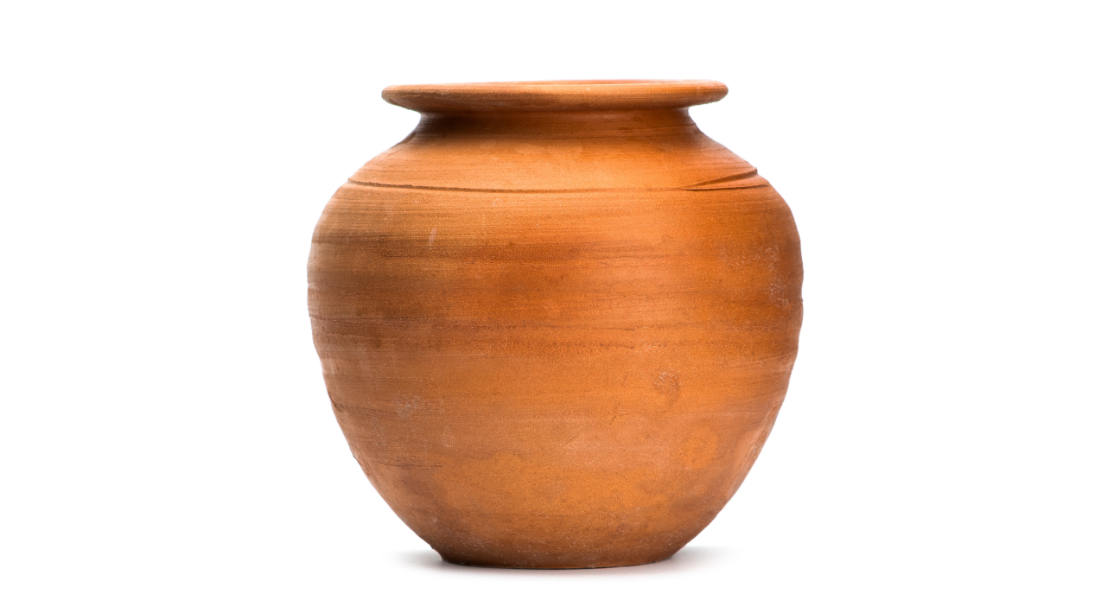
( 01 )Jomon Period to Azuchi-Momoyama Period (Ancient to Medieval)
/ ca. 14,000 BCE – 1603
The Development of Manufacturing That Supports Daily Life
Japanese crafts were not created merely as decorative items, but as tools to support people’s daily lives.
In Japan, with its rich four seasons, artisans have utilized natural materials unique to each region—such as wood, clay, bamboo, and plant fibers—and honed techniques to make the most of their characteristics.
This embodies the very essence of “wisdom for living in harmony with nature.”
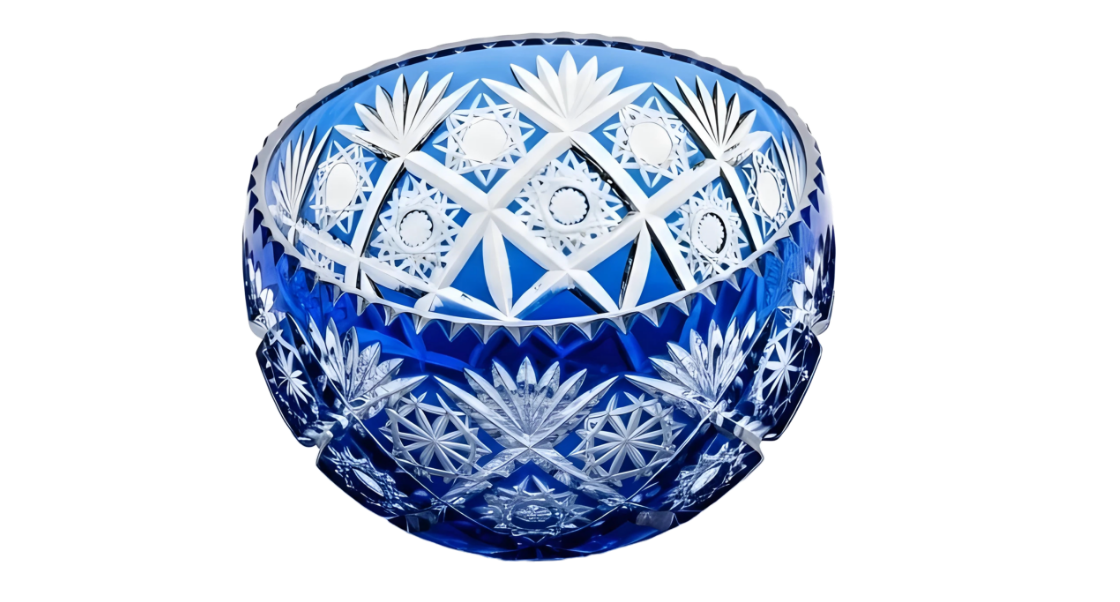
( 02 )Edo Period / 1603–1868
Unique crafts flourish in various regions
During the Edo period, a time of sustained peace, the movement of people and goods, as well as the production of crafts, flourished.
It was during this era that many traditional crafts—such as Arita ware and Edo-Kiriko—emerged, traditions that have been passed down to the present day.
These crafts evolved from mere everyday items into expressions of people’s sensibilities and aesthetic sensibilities.
It was also the era in which the foundations were laid for Japan’s unique “craftsman culture,” which is known worldwide.
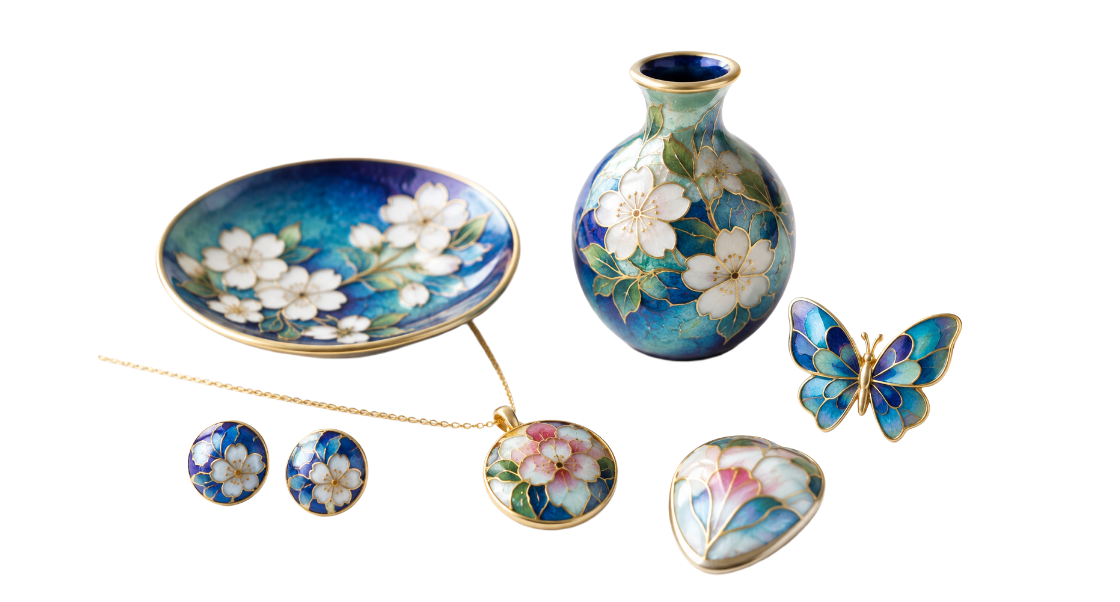
( 03 )Meiji to Showa Period / 1868–1989
Crafts That Spread Alongside Modernization
Since the Meiji Restoration, Japanese crafts have developed significantly
through exchanges with other countries.
At events such as the Paris World’s Fair, Japanese ceramics, lacquerware, and metalwork were highly acclaimed,
and their beauty and craftsmanship influenced Western art, giving rise to
Japonism.
It is precisely this flexibility—the ability to preserve tradition while embracing new values and techniques—that is one of the reasons Japanese crafts continue to be cherished around the world.
( 04 )Contemporary / 1989-
Toward a New Approach to Manufacturing That Builds on Tradition
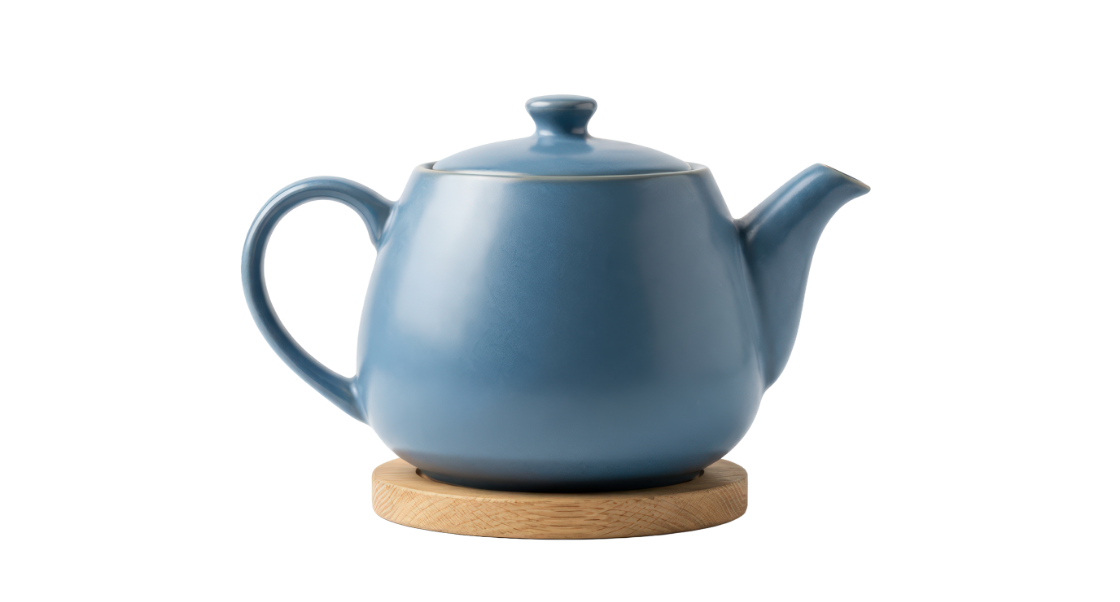
Contemporary crafts are not merely about recreating the past.
Craftspeople draw on techniques passed down for hundreds of years to create new value that fits modern lifestyles.
Whether it’s tableware, accessories, or interior decor, while their forms change with the times, the underlying passion of the craftspeople continues to be passed down.
In this way, Japanese crafts continue to evolve today by preserving tradition while incorporating new forms of expression.
Product Introduction
Bringing time-honored craftsmanship into modern life.
At Tsunashiki, we offer a wide variety of crafts that showcase the appeal of traditional techniques and materials passed down through the generations.
From wearable items to small accessories that add a touch of color to your daily life, we introduce a selection of pieces that allow you to appreciate the unique craftsmanship and character of each one.
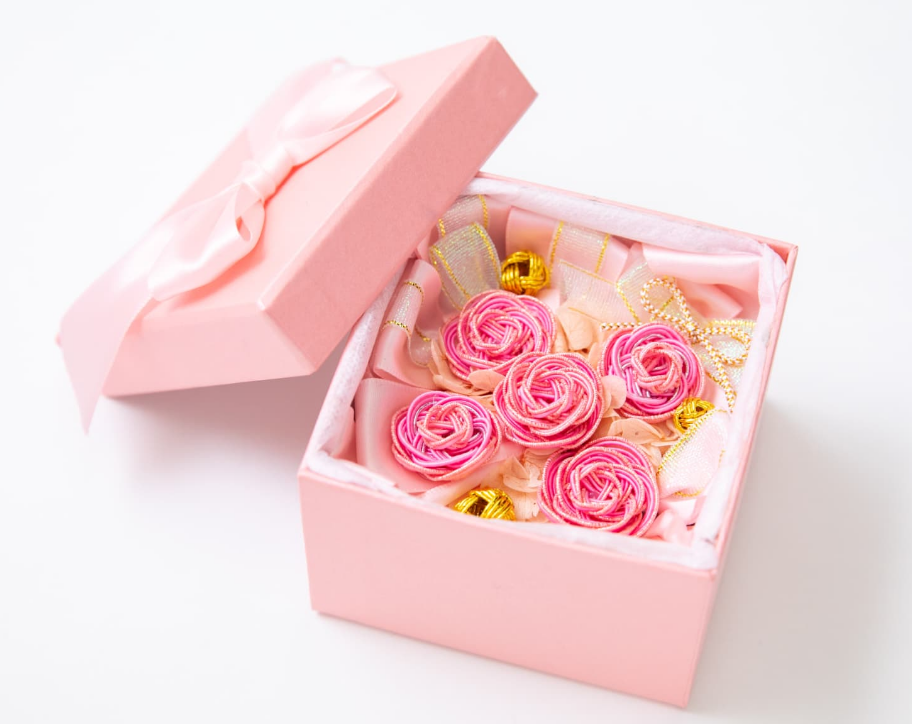
Mizuhiki
Mizuhiki offers a variety of looks depending on the color and tying method.
We carry items that are easy to incorporate into your daily life, such as accessories and bookmarks.
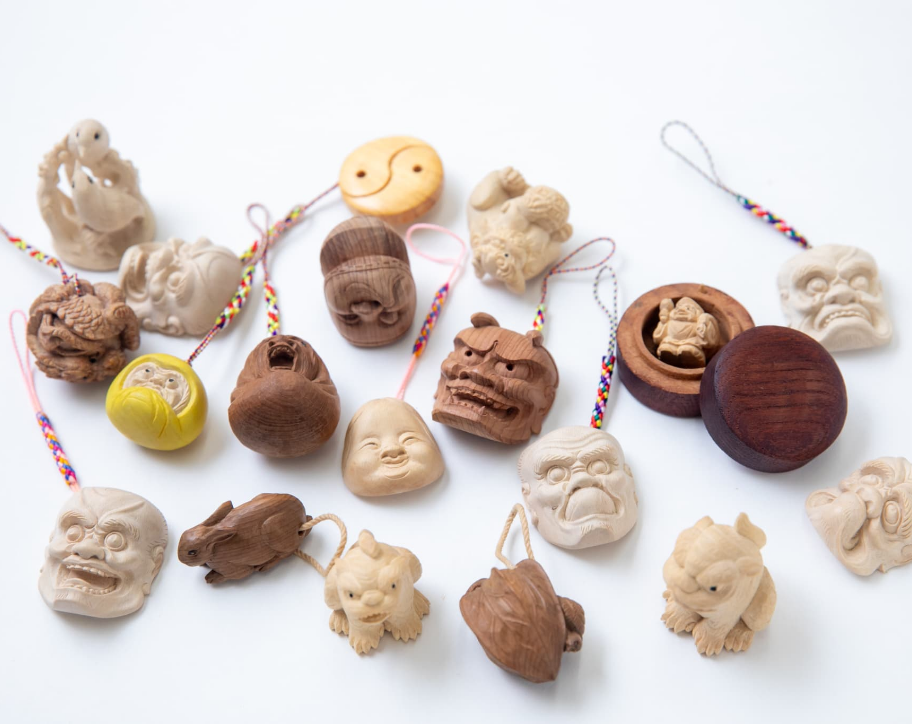
Woodworking
Wooden crafts that let you appreciate the natural character of the material itself, such as its grain and color.
We carry everyday items, including keychains.

Dyeing
Dyeing is the process of coloring fabrics and threads to create colors and patterns.
You can enjoy the rich hues and textures that vary depending on the dyes and techniques used.
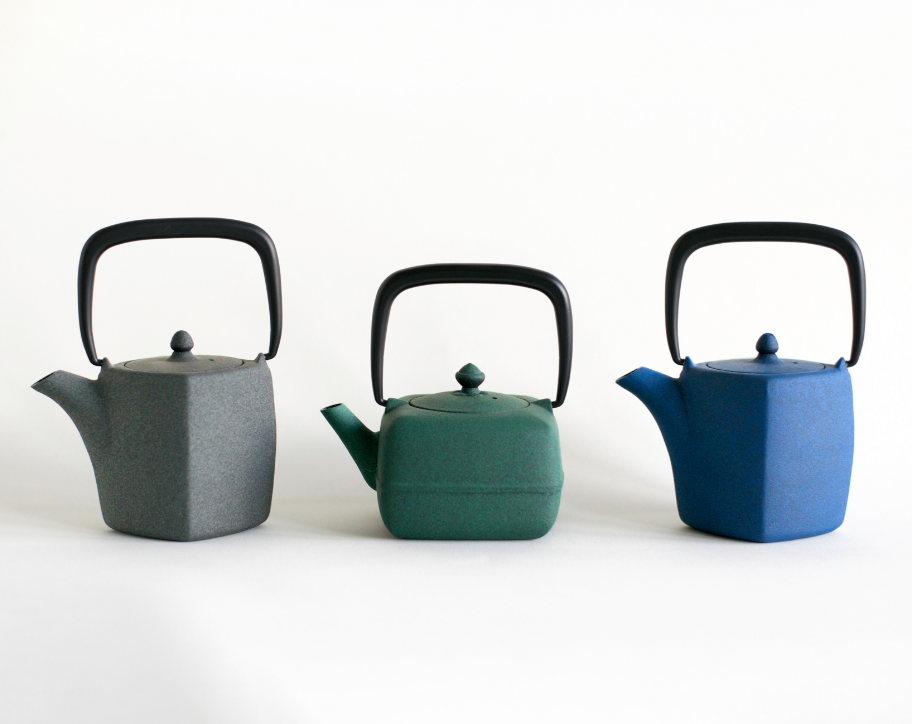
Castings
Casting is the process of pouring molten metal into a mold to create various shapes.
It is a technique that allows you to enjoy the unique texture of metal and a wide range of forms.
Go to the Online Store
FAQ
Q
Can I request custom orders or color changes?
A
Depending on the product and the artisan, we may be able to accommodate requests for color changes or custom orders.
Please let us know your desired color, intended use, and quantity. We will check whether we can accommodate your request and get back to you with more information.
Q
Do you ship internationally?
A
Our international shipping policies vary depending on the product and the destination country or region.
If you’d like to make a purchase, please contact us in advance with your shipping address and the product details.
Q
Please tell me about shipping costs and delivery times.
A
Shipping costs and delivery times vary depending on the product and delivery address. Please check the details on each product page or in the instructions provided when placing your order.
Made-to-order items may take longer than usual to deliver.
Q
Can I return or exchange an item?
A
If an item is defective or damaged, we will address the issue after inspecting the item’s condition.
For returns or exchanges due to customer preference, conditions vary by product, so please check the notes on each product page before purchasing.